








Steel Frame vs Plastic Frame Gaming Chairs: Does It Matter?
There’s a quiet detail most buyers never think about until it’s too late: what actually holds the chair together underneath the foam, fabric, and branding. The frame inside a gaming chair is usually either steel or reinforced plastic, and on paper both can sound “strong enough.” In reality, this choice influences how the chair feels after months of use, how it handles body weight during long sessions, and whether it starts to creak when your setup becomes your second home.
For Australian gamers, streamers, and remote workers who sit for hours at a time, the frame isn’t just engineering—it’s the difference between a chair that supports your lifestyle and one that slowly breaks it down.
The short answer is simple: steel frames generally offer higher durability and long-term stability, while plastic or composite frames prioritize cost reduction and lighter construction—but with trade-offs in rigidity and lifespan.
Why the gaming chair frame is more important than it looks
Most buyers evaluate a chair by what they can see: lumbar pillows, armrests, recline angles, and foam density. But those features depend entirely on what’s underneath.
A gaming chair frame determines:
- How evenly your weight is distributed
- Whether the chair maintains alignment over time
- How stable it feels during movement (leaning, reclining, shifting posture)
- Long-term resistance to stress and fatigue
This matters most for people sitting 6–10 hours a day. A setup enthusiast or competitive gamer might not notice frame quality in the first week. They notice it in month six—when the chair starts to feel slightly off-center or less supportive in the lower back.
This is where buyer frustration often begins: what looked like a premium chair becomes a daily discomfort trigger.
Steel frame gaming chairs: built for long sessions and heavy use
Steel frames are typically used in mid-to-premium gaming chairs, especially those designed for long sitting sessions and higher weight support.
A well-built steel frame usually offers:
- Strong structural rigidity under constant load
- Better resistance to bending or fatigue over time
- More consistent support for lumbar and back systems
- Reduced wobble when reclining or shifting posture
For personas like remote workers, streamers, and back-pain buyers, this stability becomes noticeable fast. When you’re switching between Zoom calls and gaming sessions, the chair needs to disappear into the background—not remind you it’s struggling.
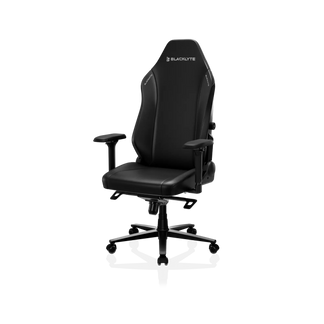
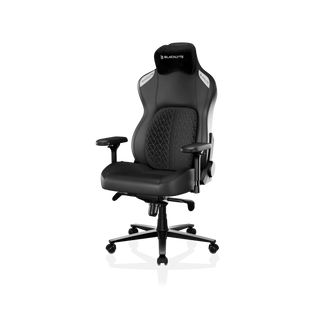
Blacklyte emphasizes this kind of structural engineering in products like the Blacklyte Athena Pro Gaming Chair and Blacklyte Kraken Pro Gaming Chair, both built with a full steel frame to provide long-session support and stability. Steel frames do add weight and cost, but they usually reward that trade with longevity and stability—two factors that matter more after the honeymoon period of a new chair fades.
Plastic or composite frames: where cost efficiency meets compromise
Plastic or reinforced composite frames are commonly found in entry-level gaming chairs or budget-focused models.
They offer advantages:
- Lower manufacturing cost
- Lighter chair weight for shipping and assembly
- Easier mass production
But the trade-offs become clearer with real use:
- Less rigidity under long-term pressure
- Higher chance of flexing under heavier users
- Potential loosening over time in high-stress joints
- Reduced “locked-in” support feel during long sessions
For a university student buying a first chair or a casual gamer using it a few hours a week, these trade-offs might not matter immediately. But for someone working from home or grinding ranked matches nightly, the experience changes. Small movements—like a slight tilt or frame flex—start to accumulate into discomfort.
This is where expectations and reality often collide. The chair looks the part, but doesn’t behave like a long-term ergonomic tool.
Comfort isn’t just foam—it’s how the frame holds you
A common misconception in the gaming chair market is that comfort comes from cushioning alone. Memory foam, cold-cure foam, or lumbar pillows can improve surface feel, but they cannot correct structural instability.
Think of it like this: foam is what you feel in the first five minutes. The frame is what you feel after five hours.
A steel frame allows ergonomic systems like adjustable lumbar support and recline mechanisms to function consistently. A weaker frame can slightly distort those systems over time, which is why some users report “it felt great at first, but now my back hurts again.”
This gap between initial comfort and long-session comfort is where most buyer regret happens.
The real decision depends on how you sit, not just what you buy
The frame debate isn’t about which material is universally better—it’s about how your body interacts with time.
Steel frame chairs tend to suit:
- Remote workers sitting 6–10 hours daily
- Competitive gamers in long sessions
- Streamers and creators with static posture periods
- Users with existing lower back discomfort
Plastic or composite frame chairs may suit:
- Light-use setups (2–4 hours daily)
- Budget-conscious first-time buyers
- Secondary or guest setups
- Short-session casual gaming
This is where most marketing misses the point. It treats gaming chairs as lifestyle objects instead of workload tools. But for many users, especially in hybrid work-gaming setups, the chair is effectively office infrastructure.
Where premium gaming chairs differentiate in the frame conversation
Mid-to-premium chairs increasingly move toward reinforced steel structures because the market is shifting. Gaming chairs are no longer just “gamer furniture”—they’re dual-purpose workstations.
Brands like Blacklyte position their chairs around this reality: one chair that handles both productivity and gaming without breaking down under daily use. That positioning only works if the internal structure supports it.
The quiet truth most buyers learn too late
Frame material doesn’t show up in ads. It doesn’t appear in RGB lighting or influencer setups. But it determines whether a chair still feels “new” after six months—or starts to feel like something you tolerate instead of trust. This matters particularly for Australian buyers using the same gaming chair as a daily work chair.
Steel frames don’t make a chair automatically perfect. Plastic frames don’t automatically make it bad. But when your body becomes the testing ground over long hours, structural integrity stops being a spec and starts becoming a daily experience. And in that experience, the difference is no longer subtle.


