






Gaming Chair for Tailbone Pain: Seat Shape and Cushioning Guide
There's a specific kind of misery that sets in around hour three of a long gaming session: a dull, nagging ache deep in your lower seat, right at the base of your spine. That's your coccyx talking, and if your chair isn't built to support it properly, no amount of repositioning will make it stop. Tailbone pain from sitting is one of the most common complaints among gamers, remote workers, and anyone who spends serious time in a chair — yet it's almost entirely preventable with the right seat design.
This guide breaks down exactly what causes coccyx discomfort during long sits, how seat shape and cushioning technology interact with your skeletal anatomy, and what to look for when choosing a gaming chair for tailbone pain. We'll also walk through how Blacklyte's chair lineup addresses these issues through specific engineering choices, so you can make a genuinely informed decision rather than guessing based on marketing language.
Why Gaming Chairs Cause Tailbone Pain
The coccyx — your tailbone — is the small triangular bone at the very base of your spine. When you sit, your body weight is meant to be distributed primarily across your ischial tuberosities (the sit bones), with the coccyx floating slightly behind that load-bearing zone. A seat that's too firm, too flat, or shaped in a way that forces the coccyx directly onto a hard surface will compress the tissue around it and cause inflammation, which is what you experience as that familiar ache.
Many entry-level gaming chairs use flat foam bases or bucket-seat designs that position your pelvis in a way that tilts your tailbone downward and inward, directly into the seat pan. Even chairs with adequate lumbar support can still create coccyx issues if the seat geometry isn't right. The problem is rarely just about firmness — it's about where the pressure lands and how the seat shape guides your pelvis.
Seat Shape and the Coccyx: What the Geometry Actually Does
Seat shape is arguably the most underappreciated factor in coccyx comfort. Most buyers focus on lumbar support or armrest adjustability, but the seat pan's contour determines how your weight is distributed the moment you sit down — and that matters more than almost anything else for tailbone health.
Waterfall Edge vs. Flat Edge
A waterfall seat edge curves gently downward at the front of the seat, reducing pressure on the backs of your thighs and encouraging a more natural pelvic tilt. This slight anterior tilt moves your sit bones into proper load-bearing position and lifts the coccyx away from direct contact with the seat. A flat or upturned edge, by contrast, can cause you to slide back into a posterior pelvic tilt — which pushes the tailbone downward and into the foam.
Contoured vs. Flat Seat Pan
A contoured seat pan has a subtle bowl shape or curvature that cradles the sit bones on either side, creating a natural relief channel in the center. This design keeps pressure off the coccyx by letting it sit in the recessed center of that bowl rather than being pressed flat against the surface. Flat seat pans distribute weight less intelligently and are more likely to create hot spots directly under the tailbone, especially during long sessions.
Seat Width and Depth
A seat that's too narrow forces your hips inward, compressing the soft tissue around the coccyx from both sides. A seat that's too wide causes you to splay your hips outward and shift your weight awkwardly. Getting the right seat width for your body type means the sit bones land in the intended load-bearing zone, which is the foundation everything else builds on. Seat depth (front-to-back measurement) also matters — you want roughly two to three finger-widths of clearance between the seat edge and the back of your knees to maintain proper posture without sliding forward.
Cushioning Types: Memory Foam, Contour Foam, and What to Look For
Not all foam is the same, and the type of cushioning in your seat directly affects how pressure is managed across your sit bones and coccyx over extended periods.
Contour Foam
Contour foam (also called cold-cure foam or molded foam) is shaped during manufacturing to match the ergonomic contours of a seated human body. It's responsive — meaning it pushes back against your weight to support the seat structure — and it holds its shape consistently across thousands of hours of use. Most high-quality gaming chairs use contour foam as their primary seat and backrest material because it provides a stable, supportive base without collapsing over time.
Memory Foam
Memory foam is visco-elastic, meaning it responds to both heat and pressure. It deforms slowly under your body weight and molds to your specific shape, then gradually returns to its original form when the load is removed. For tailbone pain, memory foam can be genuinely beneficial because it distributes pressure more evenly and reduces high-pressure contact points under the coccyx. However, not all memory foam is equal — thin memory foam layers over a cheap base will bottom out quickly, negating the benefit entirely.
Layered Constructions
The most sophisticated approach combines both foam types. A contour-foam core provides structural support and prevents bottoming out, while a memory foam layer on top handles fine-grained pressure distribution. This is the construction used in Blacklyte's Athena Pro Gaming Chair, where the seat uses memory foam (infused with bamboo charcoal and silver ions for breathability and antimicrobial properties) over a contour-foam core. That layered approach means you get both the responsive support of structured foam and the body-contouring pressure relief of memory foam — exactly the combination most useful for coccyx comfort.
Foam Density Explained: Why Higher Density Matters
Foam density is measured in kilograms per cubic meter (kg/m³) and is one of the most important — and most frequently misunderstood — specifications in chair buying. Density does not mean firmness; it refers to how much material is packed into a given volume of foam. Higher-density foam is more durable, more resistant to compression over time, and better at maintaining its original support profile after extended use.
Low-density foam (under 35 kg/m³) will flatten noticeably within months of regular use, turning what felt like a cushioned seat into something closer to sitting on a hard surface with a thin layer of worn material on top. This progressive flattening is one of the leading reasons gamers develop tailbone pain after extended ownership of a budget chair — the initial cushioning was never dense enough to last.
Blacklyte chairs use high-density cold-cure foam across the lineup, with densities ranging from 45–60 kg/m³ depending on the series. The Athena series chairs use foam in the higher 55–60 kg/m³ range, while Kraken Pro uses foam in the 45–50 kg/m³ range — both well above what most mass-market gaming chairs offer. This density level ensures the seat maintains its contoured shape and pressure-distributing properties over the long term, not just in the first few months.
Other Chair Features That Reduce Tailbone Pressure
Seat construction is the most direct lever for managing coccyx comfort, but several other chair features influence how much pressure your tailbone experiences during a session.
- Recline angle: Leaning back transfers weight from your seat to your backrest. A chair with a generous recline range lets you shift the load distribution periodically, giving your coccyx a break during longer sessions. All Blacklyte chairs recline across a 90°–149° range, giving you meaningful range for active posture changes throughout a session.
- Seat height adjustment: Getting seat height right means your feet are flat on the floor, your knees are at roughly 90°, and your hips are level or very slightly higher than your knees. This alignment promotes an anterior pelvic tilt that naturally unloads the coccyx. Blacklyte chairs use a Class 4 hydraulic gas piston for smooth, precise seat height adjustment.
- Tilt mechanism: Blacklyte uses a frog-type tilt mechanism with adjustable tilt tension across the lineup. This lets you lean back dynamically with controlled resistance, which encourages micro-movement and reduces static loading on the tailbone — one of the key causes of prolonged coccyx pain.
- Lumbar support: Proper lumbar support maintains your spine's natural S-curve, which keeps your pelvis in a neutral position. A posteriorly tilted pelvis (slumping) is one of the main contributors to coccyx pressure, so effective lumbar support is indirectly crucial for tailbone comfort. Blacklyte's Athena Pro features a built-in 4-way adjustable lumbar system (height and depth); the Kraken Pro has a built-in floating lumbar with front/back fine-adjust and lock.
- 4D armrests: Properly positioned arms reduce upper-body slumping, which in turn reduces the postural collapse that tilts the pelvis backward. All Blacklyte chairs across the full lineup ship with 4D armrests, covering height, depth, width, and angle adjustment.
Which Blacklyte Chair Is Best for Tailbone Pain?
Blacklyte's three current chair models each address tailbone comfort through high-density contour foam and contoured seat geometry, but the right choice depends on how serious your pain is and what level of cushioning system you want. You can compare all three side by side on the chair comparison page.
Athena Pro — Flagship
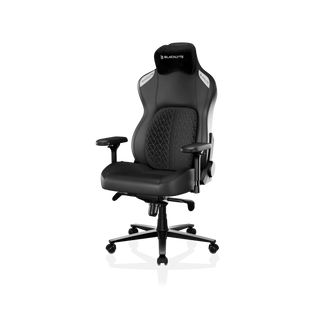
The Athena Pro is the most capable option for anyone dealing with chronic or recurring tailbone pain. Its layered seat construction — bamboo-charcoal and silver-ion infused memory foam over a contour-foam core, using 55–60 kg/m³ density foam — is purpose-built for maximum pressure distribution. The built-in 4-way adjustable lumbar (up/down and front/back), aluminum alloy 5-star base, and full 90°–149° recline range combine to give you comprehensive postural control. If tailbone pain is a serious concern, this is the chair designed to address it most directly.
Kraken Pro — Premium
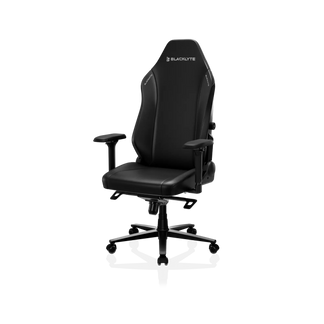
The Kraken Pro uses a high-density contour foam seat (45–50 kg/m³) with a contoured seat pan, and features a built-in floating lumbar with front/back fine-adjust and lock. Its aluminum alloy base and 4D armrests make it a well-rounded premium option for gamers who want solid ergonomic fundamentals without stepping up to the Athena Pro's memory foam layer. It's a strong choice for those with moderate seating discomfort who also prioritize gaming aesthetics and structural quality.
Browse the full gaming chair collection or explore Blacklyte's Gaming Hub for deeper guidance on posture and ergonomics for play.
Additional Tips for Long Sessions
Even the best chair benefits from smart sitting habits. Here are several practices that complement a well-designed seat and help keep tailbone pain from creeping back in during marathon sessions.
- Take movement breaks: Stand up and walk briefly every 45–60 minutes. Static compression is the enemy of coccyx health, and even short breaks dramatically reduce tissue loading.
- Adjust your recline periodically: Use your chair's recline range actively rather than locking into one angle for hours. Shifting between 100° and 120° throughout a session redistributes spinal load and reduces sustained coccyx pressure.
- Check your seat height first: If you're experiencing tailbone pain in a chair that should be supportive, the first variable to check is whether your seat height is properly set. Too low forces your hips into flexion; too high causes you to perch forward on the seat's edge.
- Ensure your lumbar support is engaged: A lumbar support that's positioned too low or not making proper contact with your lower back will allow your spine to slouch, tilting your pelvis backward and loading the coccyx. Adjust until you feel consistent, gentle contact in the lumbar curve.
- Consider a coccyx cutout cushion as a temporary measure: If you're waiting for a new chair or recovering from an acute injury, a seat cushion with a coccyx relief cutout can bridge the gap — but it's not a substitute for a chair with proper seat geometry and foam density.
Tailbone pain during gaming sessions is common, but it's not inevitable. The root cause is almost always a mismatch between your seat's shape, cushioning, and your body's anatomy — and the fix is a chair engineered specifically to manage that relationship. The most important factors to evaluate are seat pan contour, foam type and density, recline range, and lumbar support quality. Together, these determine whether your coccyx floats clear of pressure or bears the full weight of a long session. Explore the full ergonomics resource or visit the full product collection to find your fit.
Still not sure which Blacklyte chair is right for your body type and pain points?
Our team is ready to help you find the right fit — from seat dimensions to foam type to lumbar configuration. Every Blacklyte chair comes with a 30-day easy return window, and is backed by a warranty extendable up to 5 years.
Contact Us — We'll Help You Choose


